
High-performance cars are built for one thing: to be driven—really driven. Whether it’s a Porsche hugging apexes, a BMW M slicing through canyon roads, an Audi RS blasting off the line, or an AMG unloading massive torque, these machines thrive on heat, speed, and razor-sharp precision.
But while the engine, transmission, and brakes are designed to take serious abuse, the paint and exterior surfaces? Not so much.
At Ceramic Garage California, we focus on protecting the cars that spend their lives at higher RPMs. Because when you drive spiritedly, you’re throwing stresses at the vehicle that regular car washes and quick details just can’t handle.

Performance Driving Changes Everything
Commuting to work and hitting the track (or twisting back roads) are worlds apart. When you really push a performance car, you introduce:
- Extreme, repeated heat cycles
- Tons of aggressive brake dust
- High-speed impacts from road debris
- Serious aerodynamic forces
- Rapid swings in temperature
All of these hammer the surfaces way harder and faster than everyday driving ever could. True preservation isn’t about a quick shine—it’s about smart, engineered protection.
Heat Cycles and Surface Stress
Track days and hard driving mean sustained heat. Engines run scorching hot, brakes glow red, exhausts blast intense temperatures, and that heat soaks up through the hood, panels, and paint.
Those repeated heat cycles can:
- Speed up UV and thermal oxidation
- Dry out and crack unprotected clear coat
- Make surfaces more prone to staining
- Put extra stress on carbon fiber parts and trim
- Magnify tiny scratches and marring
Modern factory clear coats are tough, but they’re also thin. Constant heating and cooling creates microscopic stress inside the finish over time.
A professional ceramic coating bonds chemically to the surface, acting like a stabilizing shield. It doesn’t stop the heat, but it dramatically slows oxidation, stops contaminants from bonding deeply, and fights early surface breakdown. For cars that regularly see high temps, that extra layer is a game-changer.
Brake Dust: Aggressive Driving’s Hidden Threat
Big brakes are built to generate massive friction—and friction means dust. Lots of it. Performance brake pads spit out metallic particles that are:
- Highly corrosive
- Activated by heat
- Very good at sinking into clear coat and wheel finishes
On track cars or aggressively driven ones, brake dust builds up fast. Leave it sitting, and it etches wheels permanently and stains paint on rocker panels and rear quarters.
Ceramic coatings on wheels, calipers, paint, and even exhaust tips create a slick, hydrophobic, chemically resistant barrier. Dust doesn’t stick as aggressively, so it wipes off easier and doesn’t eat into the surfaces. It’s not just about keeping things looking good—it protects the actual integrity of the finish and makes cleanup between sessions way less painful.
High-Speed Debris Impact
Speed turns small rocks and grit into projectiles. Performance cars—lower, wider, more aggressive—put the most vulnerable areas right in the line of fire:
- Front bumpers
- Splitters
- Side skirts
- Rocker panels
- Rear quarters
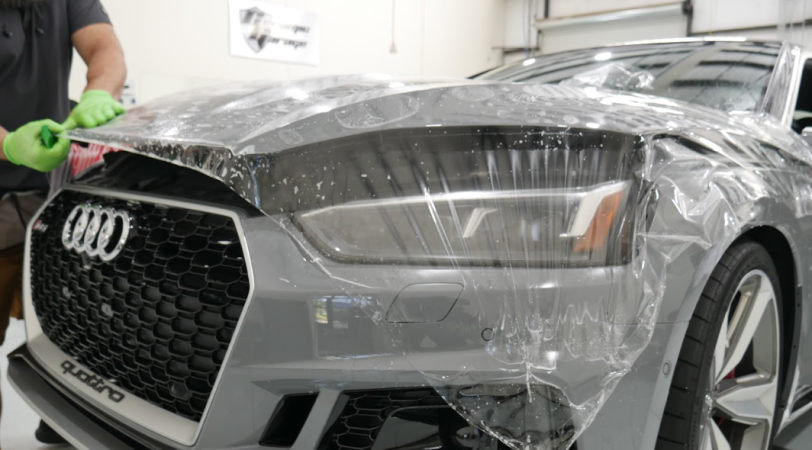
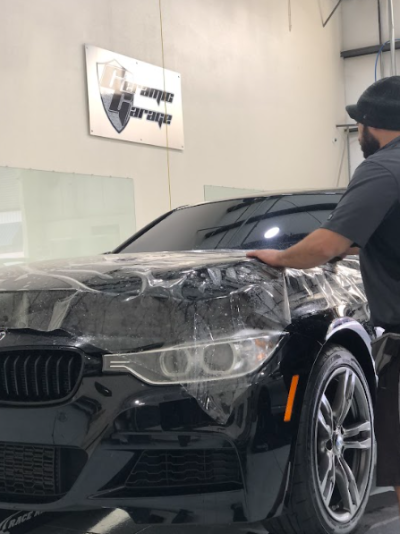
Paint Protection Film (PPF), made from high-tech thermoplastic polyurethane, absorbs and spreads out that impact energy. Instead of chips in your factory paint, the film takes the hit.
The best modern films are self-healing too—light scratches vanish with a little heat from the sun or a warm day—perfect for cars that see repeated track days, washes, and road grime. For drivers who actually use their car’s performance, PPF isn’t optional cosmetics. It’s real armor.
Aerodynamic Load and Surface Fatigue
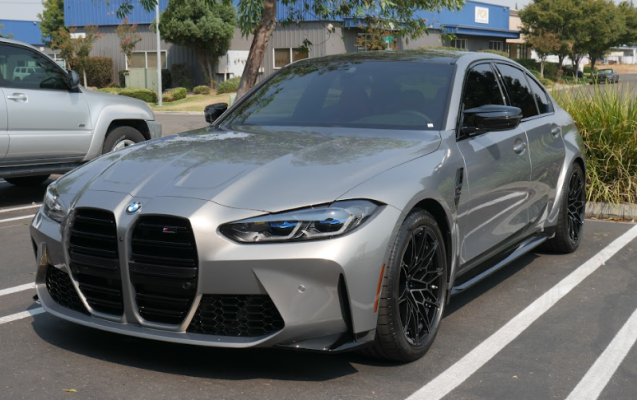
Go fast enough, and aerodynamics become a force you can feel. At higher speeds, air rushes over the car, dragging debris, water, and contaminants across the paint with serious pressure. Over months and years, that constant flow causes:
- Micro-scratches
- Dull spots
- Deeper contaminant embedding
Ceramic coatings lower surface friction and boost hydrophobicity, so stuff slides off instead of grinding in. That’s especially helpful for anyone regularly pushing past normal highway speeds on track days or canyon runs.
Spirited Driving Demands Engineered Protection
Owning a performance car is emotional—it’s about the feel, the response, the connection. But keeping it pristine takes real intention.
A solid protection plan for high-output cars usually includes:
- Careful paint correction before anything else
- PPF on the high-impact zones
- Full-vehicle ceramic coating
- Ceramic protection for wheels and calipers
- Glass coating for better visibility at speed
Each piece targets a different kind of abuse—physical hits, chemical attack, heat, or environmental wear. Together, they build a defense system that actually matches how you drive the car.
California Conditions Amplify the Challenge
Driving a performance car in California throws even more at it:
- Brutal UV all year long
- Salt air near the coast
- Constant freeway debris
- Scorching hot asphalt
- Big elevation and temperature changes in the mountains and canyons
Left unprotected, surfaces break down faster here. In this environment, protection isn’t a luxury—it’s smart, preventative care.
Built to Perform. Protected to Last.
Too many people think paint protection is just for garage queens or ultra-rare exotics. The truth? The cars that need it most are the ones being driven exactly the way they were meant to be.
At Ceramic Garage California, we get performance cars because we work on them every day. We tailor our approach to every Porsche, BMW M, Audi RS, AMG, or high-horsepower build based on how it’s actually used.
Our goal is straightforward:
Preserve the original paint. Shield against chips and impacts. Fight heat, dust, and contamination. Keep that deep, aggressive gloss and clarity.
Because real performance shouldn’t cost you long-term value or that head-turning look.
Drive it hard. Protect it right. Let performance and preservation go hand in hand.