
Modern cars look amazing straight from the factory—shiny paint, killer colors, that deep gloss. But let’s be real: no matter how advanced the paint tech is, some spots on every car just take way more abuse than the rest.
We see it all the time here at Ceramic Garage California. Whether it’s a luxury sedan, a supercar, or your daily driver, the same areas always end up with chips, scratches, and that dull, worn look. Knowing where the trouble spots are makes it a lot easier to stay ahead of the damage and keep your ride looking fresh.
Why Today’s Paint Jobs Are a Bit More Fragile
Paint has come a long way—it’s mostly water-based now to meet eco rules, and it looks incredible. But the trade-off? The clear coat (that tough top layer) is usually thinner than what older cars had. That means it’s easier for road junk, bugs, and daily wear to break through.
Add in faster speeds, more traffic, and rougher roads, and certain parts of the car basically become targets. The good news? You can protect them before things get ugly.

The Front End: Where It All Starts
The front bumper and the leading edge of the hood catch hell. They’re literally the first thing hitting the air—and everything in it—as you drive.
Rocks, gravel, sand, bugs, bits of tar… all get flung up by cars ahead (or your own tires). At highway speed, even tiny stuff hits hard. Over months or years, you end up with a front end that’s peppered with little chips. It’s super common.
That’s why so many people put paint protection film (PPF) on the front bumper and hood. It’s basically a clear shield that takes the hits so your actual paint doesn’t have to.
Side Mirrors: Small, But They Get Hammered
Mirrors might not seem like a big deal, but they stick out and sit right in the airflow. They collect chips, dust, bugs—everything the front does, just on a smaller scale.
A quick PPF wrap on the mirror caps keeps them looking clean and prevents that scratched-up look.
Door Edges & Handles: The Human Damage Zone
Not everything comes from the road. A lot of damage happens from… us.
Door edges get dinged every time you open up near a wall, another car, or your garage. Even a light tap can chip the paint right there.
The little cup behind the door handle? That’s where fingernails, rings, and keys scrape constantly. You start seeing swirls and fine scratches that make the area look dull and worn.
There are super-thin films made just for door edges and handle areas—they’re almost invisible but save you tons of headaches.
Lower Sides & Rockers: The Sandblasting Effect
The rocker panels (those lower body sections between the wheels) get blasted by stuff your own tires kick up. Sand, gravel, dirt—it all flies back and slowly “sandblasts” the paint.
Cars with bigger tires or lowered suspensions see this even worse. Over time, the gloss disappears and chips start showing up.
PPF along the bottom edges stops that gradual wear in its tracks.
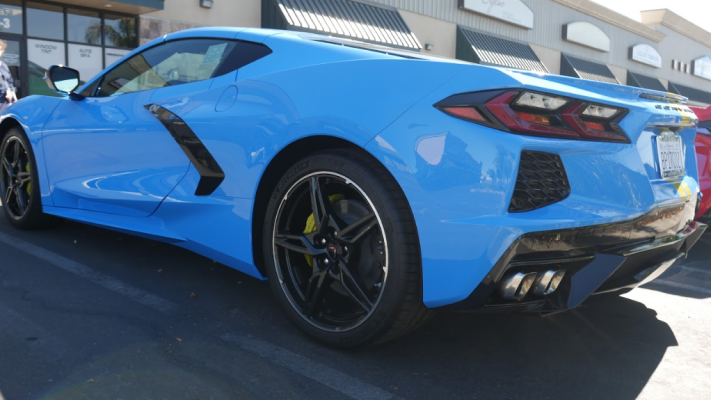
Rear Wheel Arches & Quarter Panels: Especially on Sporty Cars
If you’ve got a performance car (think Porsche 911, BMW M3, Audi RS, Mercedes-AMG stuff), the rear tires can sling rocks backward like crazy—especially when you’re accelerating hard.
Those chips show up around the wheel arches and rear quarters. It’s one of those “oh no” areas that sneaks up on you.
Rear Bumper: The Loading Zone
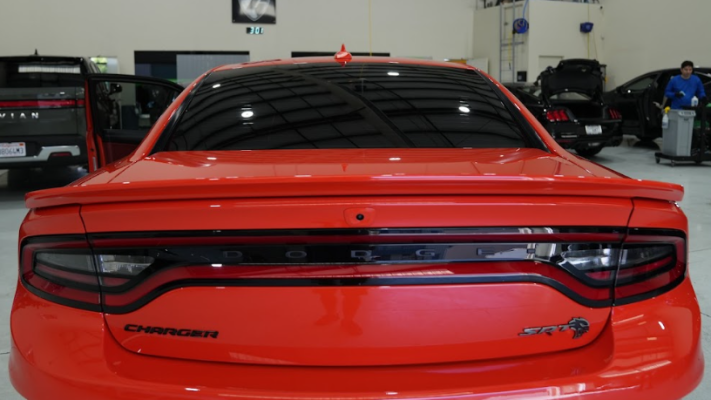
People forget about the top edge of the rear bumper. Every time you load groceries, luggage, or anything into the trunk, stuff slides across or bangs into it. Scuffs and scratches build up fast.
A strip of protective film there is cheap insurance against everyday dings.
The Bottom Line: Protect Before It Hurts
Paint damage doesn’t usually happen overnight—it’s a slow creep. A few chips here, some scratches there, and suddenly your car looks way older than it is.
The smartest move is preventing it altogether. Paint protection film acts like armor against rocks and debris, while ceramic coatings make everything easier to clean and repel water/dirt. Throw in some pro paint correction first, and you’re set for years of looking sharp.
At the end of the day, focusing protection on these high-wear spots makes a huge difference. Your car stays looking better, longer—and you avoid expensive touch-ups down the road.
Because when the weak points are covered, the whole thing just keeps turning heads, mile after mile.