
If you’ve ever opened the door to a car that’s been sitting in the California sun, you know how brutal it gets inside—like stepping into a sauna on wheels. Even when the outside temp doesn’t feel that extreme, sunlight pouring through the windows turns the cabin into an oven fast. It’s miserable to sit in, and your AC has to fight like crazy to bring it back down.
Here’s the thing most people don’t realize: the worst of that heat isn’t coming from the light you can actually see. The biggest culprit is infrared radiation—invisible rays from the sun that carry a ton of heat energy.
Once you understand how infrared works and how the latest protection tech blocks it, it’s easy to see why stuff like ceramic window tint, paint protection film, and pro detailing has become a must-have for so many California drivers.
At Ceramic Garage, we combine these advanced heat-rejection solutions into a bigger plan that shields your car from daily sun damage and helps it stay in great shape for the long haul.
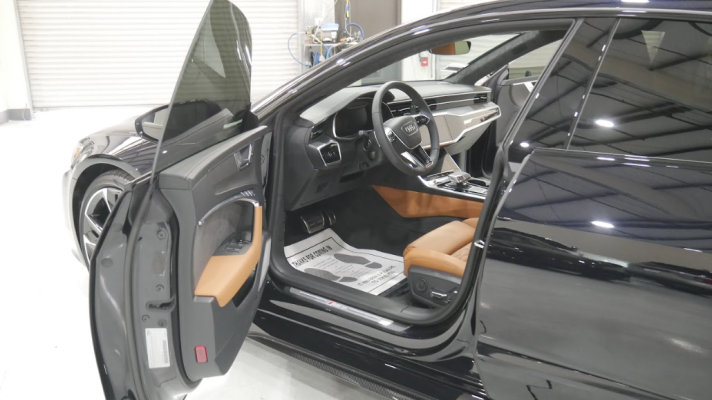
Breaking Down the Sun’s Energy
Sunlight isn’t just one thing—it’s a mix of different wavelengths. The three that hit your car hardest are:
- Visible light (the stuff we see)
- Ultraviolet (UV) rays (the ones that burn skin and fade interiors)
- Infrared (IR) rays (the main heat carrier)
UV makes up only a small slice of sunlight, but over time it still wrecks dashboards, cracks leather, and fades fabrics. Infrared, though, is responsible for way more of the actual heat buildup inside your vehicle.
When IR sneaks through regular glass, it gets soaked up by your seats, dash, and carpets. Those surfaces then radiate the heat back into the air—like a greenhouse effect on steroids. That’s why the cabin temperature shoots up so quickly.
Why Heat Is More Than Just an Annoyance
Sure, a scorching-hot car is uncomfortable, but the damage goes deeper. Constant infrared exposure and high temps slowly break down interior materials. Leather dries out and cracks. Plastics fade, warp, or get brittle. Even modern screens, touch panels, and electronics can start suffering from repeated heat cycles.
In California—where the sun is basically always out—controlling heat isn’t just about comfort. It’s about protecting your car’s value and condition over the years.
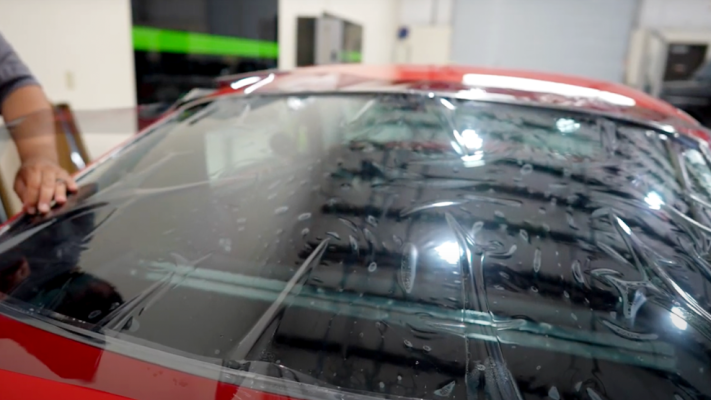
How Modern Heat-Rejection Tech Actually Works
Window film technology has improved massively in the last 10–15 years. The real game-changer has been ceramic-based films that target infrared specifically.
Older metallic films did reflect some heat, but they could mess with radio, GPS, and cell signals—and sometimes gave a shiny, mirrored look.
Ceramic films are different. They use tiny ceramic particles built right into the film. Those particles are designed to absorb and block infrared rays before they even reach the interior.
Since there’s no metal involved, you get:
- Super clear visibility
- Zero interference with electronics, GPS, phones, or key fobs
- Long-lasting performance—no purple fading or bubbling over time
High-quality ceramic tints can reject a huge chunk of infrared heat while looking almost completely clear once installed.
Why Professional Ceramic Tint Makes Such a Difference
A pro-installed ceramic tint is one of the most effective ways to keep infrared out. Drivers usually feel the change right away:
- Much cooler interior temps
- Less blinding glare
- Solid UV protection for people and upholstery
- Less work for the AC (better fuel efficiency and less wear)
It keeps the cabin more livable, especially during those long, hot California summers.
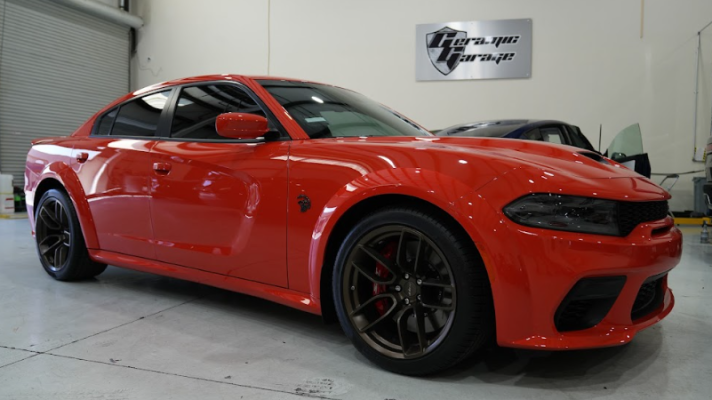
Protection Doesn’t Stop at the Windows
Window tint handles the glass, but modern protection goes further.
Paint protection film (PPF) made from tough thermoplastic polyurethane creates a shield over your paint. It guards against UV, rock chips, bird droppings, and oxidation.
Ceramic coatings add another level—they bond to the surface, repel dirt and contaminants, make washing easier, and keep that showroom gloss looking fresh much longer.
Together, tint + PPF + ceramic coating form a full-circle defense system that preserves both looks and longevity.
Why California Cars Need This Level of Protection
Between intense year-round sun, long commutes, and parking outdoors all day, vehicles here take a serious beating from solar radiation.
Without good protection, you end up with faster paint fade, worn interiors, and a constantly hot cabin.
Advanced heat-rejection tech cuts those risks way down while making every drive more comfortable.
Doesn’t matter if it’s a luxury ride, a sports car, or your everyday commuter—fighting infrared heat has become a smart, standard part of keeping a vehicle in top shape today.
Looking Ahead: Smarter Protection for Smarter Cars
As cars get more high-tech, the protection products are evolving too. Ceramic films, nano-level coatings, and next-gen materials aren’t just about shine—they’re engineered for real performance.
Drivers today want their cars to stay comfortable, run efficiently, and look amazing for years. Advanced thermal protection is a big piece of making that happen.
Bottom Line: Comfort, Performance, and Value
Infrared might be invisible, but the damage it causes is very real—from miserable hot interiors to slow, steady wear on everything inside and out.
Once you get how it works and invest in professional-grade solutions, you can dramatically cut the impact of California’s climate on your car.
At Ceramic Garage, we apply ceramic window tint, PPF, ceramic coatings, and expert detailing with care and precision—so your vehicle stays cooler, looks sharper, and holds up better over time.
When science-backed tech meets skilled installation, protecting your car stops being just maintenance—it becomes a genuinely smarter way to own and enjoy it.